David Tudor
David Tudor was a pioneering American pianist and composer who became a central figure in the mid-20th-century experimental music movement. He is widely recognized for his long-standing collaboration with John Cage and his influential work as the music director for the Merce Cunningham Dance Company.
Biography
Born in Philadelphia, David Tudor initially gained prominence as a virtuoso pianist known for his technical mastery of complex contemporary scores. His breakthrough came in 1950 with the U.S. premiere of Pierre Boulez's Piano Sonata No. 2, which established him as a leading interpreter of avant-garde music. He subsequently became the primary performer for works by John Cage and other experimental composers.
Tudor transitioned from performance to composition and electronic music, creating innovative sound environments and installations. His work often involved the use of custom-built electronic circuits and live signal processing. He notably established India's first electronic music studio at the National Institute of Design in 1969 and served as a key collaborator for the Merce Cunningham Dance Company for several decades.
His legacy continues to be examined within the context of the neo-avant-garde and Fluxus movements. Recent institutional projects, such as those by the Getty Research Institute, highlight his role in the development of experimental scores and the preservation of archival materials related to the mid-century avant-garde.
Grounded in Wikipedia + view source
Career Highlights
- 1950U.S. premiere of Pierre Boulez's Piano Sonata No. 2
- 1969Establishment of India's first electronic music studio
- 1992Appointed music director of the Merce Cunningham Dance Company
The news here is free. When you’re ready to go deeper, these are the premium tools behind it.
Part of the Art Collector IQ ecosystem
Art Collector IQ
You found the story — now see the market behind it. Auction analytics, artist price indices, and provenance research.
Explore Art Collector IQ →
ArtCheck
Before you buy, verify. Provenance, exhibition history, and authenticity checks in one place.
Try ArtCheck →
Art Gallery IQ
Track the galleries you follow — exhibition data, artist rosters, and market positioning for advisors.
Explore Art Gallery IQ →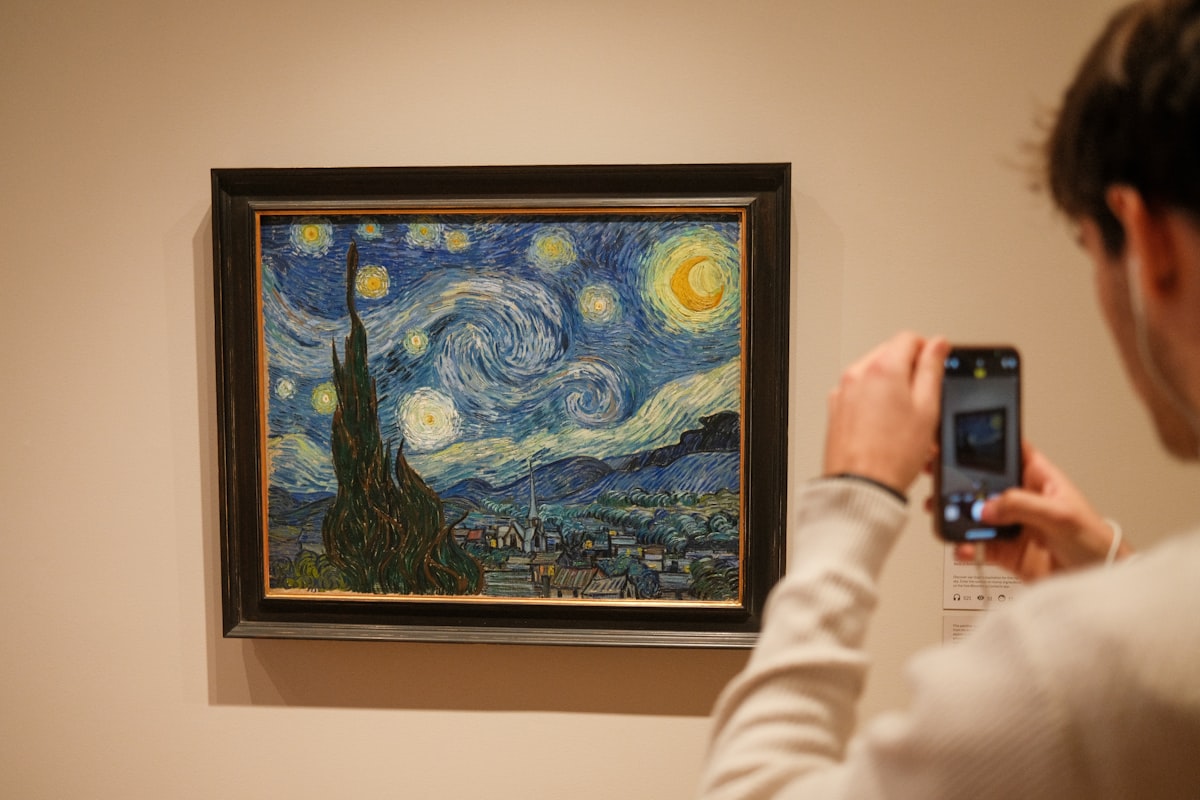
Art Collector IQ — iOS App
Reading on your phone? Scan any artwork for instant identification, a market report, and a valuation.
Get the app →