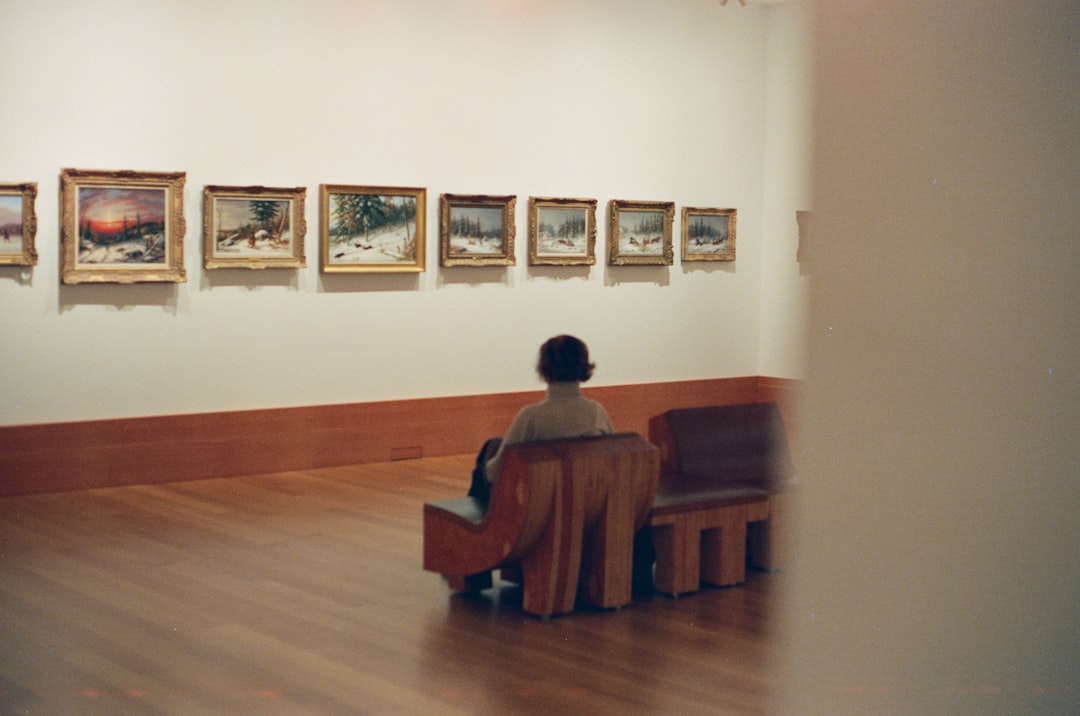
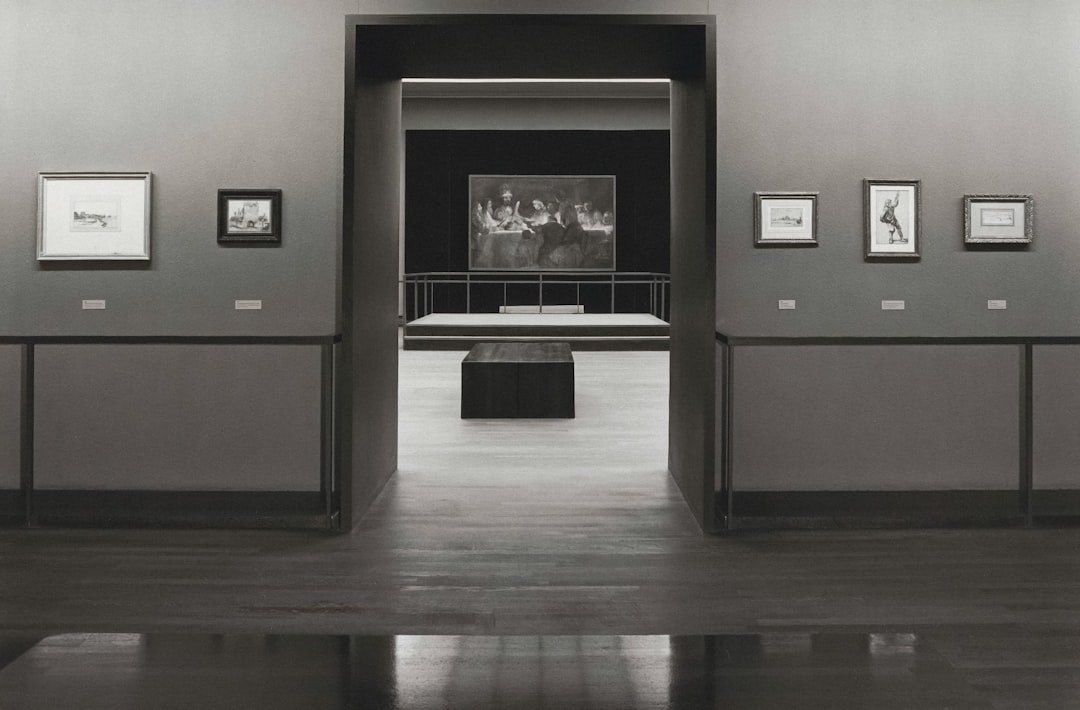
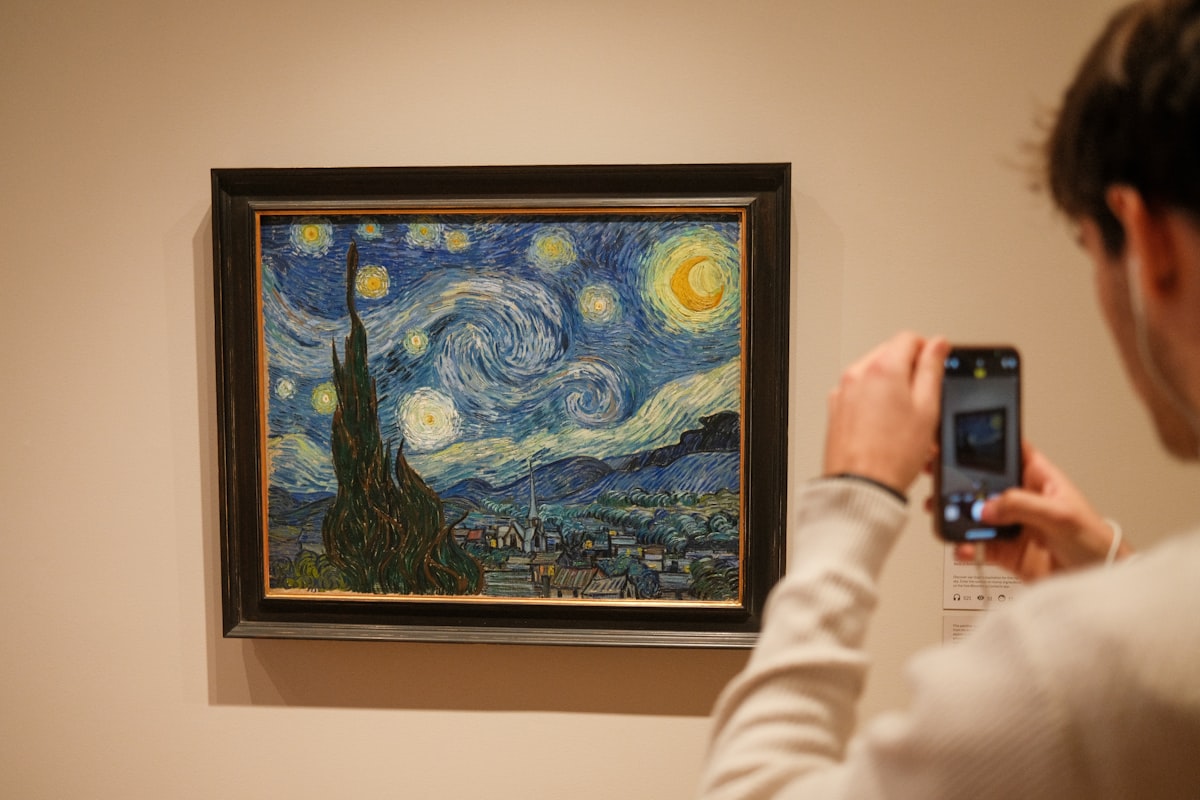
Born in Nashville, Tennessee, Robert Ryman moved to New York City in 1953, where he began his career while working as a guard at the Museum of Modern Art. His early exposure to the works of Abstract Expressionists influenced his transition into painting, leading to his development of a rigorous, reductive aesthetic that focused on the physical properties of paint and support.
Ryman is recognized for his lifelong commitment to the monochrome, specifically utilizing white paint on various surfaces including canvas, metal, and fiberglass. His practice emphasized the process of painting and the interaction between the work, the wall, and the viewer, often highlighting the mechanical aspects of how a painting is attached to a surface.
Throughout his career, Ryman was a central figure in the development of Minimal Art, with his work featured in major international exhibitions and institutional retrospectives. His influence persists in contemporary discussions regarding the materiality of painting and the conceptual boundaries of the medium.