The Facts
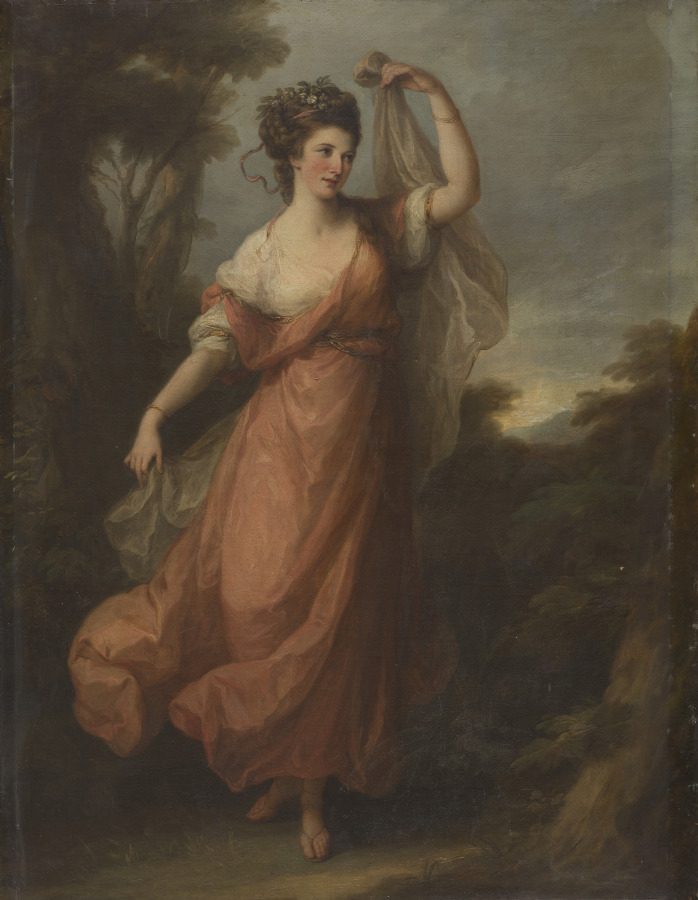
The National Portrait Gallery in London features the Bluestocking circle, a sitter grouping of 33 individuals from the 18th century. The group, initially led by socialite Elizabeth Montagu from the early 1750s, consisted of privileged women who gathered to discuss art, language, and literature—topics previously reserved for men. The term "Blue Stocking" is believed to originate from male guest Benjamin Stillingfleet, who wore informal blue stockings to meetings, symbolizing substance over style. The group included notable figures such as writer Frances Burney, artist Angelica Kauffmann, and scholar Elizabeth Carter.
The Signal
The Bluestocking circle represented a pioneering step in women's education and intellectual life, though the label later acquired derogatory connotations in the 19th century, used to mock educated women as dowdy and unmarriageable. The National Portrait Gallery's collection preserves the legacy of these women, offering insight into the social and cultural shifts of the era. For collectors and historians, the grouping underscores the museum's commitment to documenting underrepresented narratives in British portraiture.
- Artists: Angelica Kauffmann, Mary Moser
- People: Elizabeth Montagu, Benjamin Stillingfleet, Frances Burney, Elizabeth Carter, Samuel Johnson, Ada Lovelace
- Museums: National Portrait Gallery
- Locations: London
The Morning Signal · Daily
Get stories like this in your inbox
The art world in one daily email — auctions, openings, and acquisitions from 90+ primary sources, distilled into a five-minute read. Independent — no marketplace, no gallery ads.
Join collectors, dealers & curators
No spam · free every morning · unsubscribe anytime
The Jobs Digest · Weekly
New art-world jobs, every Monday
The Jobs Digest rounds up the week’s new museum, gallery, and auction-house openings — with salary when disclosed. One email a week, unsubscribe anytime.